
MaxClean Restoration Blog

Furnace Puff-Back Cleanup: A Room-by-Room Guide for Central New Jersey Homeowners This Heating Season

Adam Blankenbaker • 12 October 2026

Black soot after your furnace kicked on? What a puff-back is, what not to touch, and how pro cleanup and insurance typically work in Central NJ.
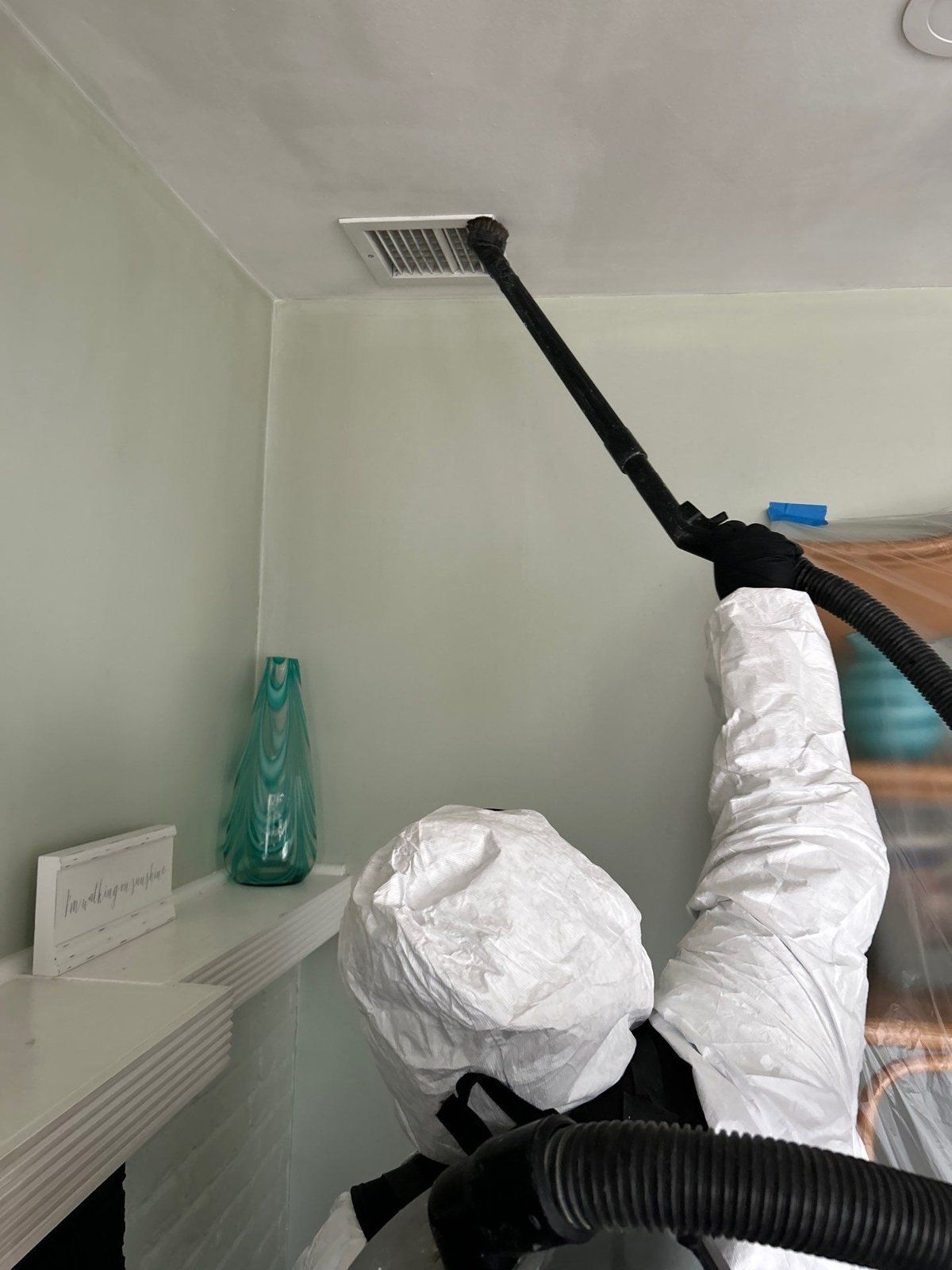
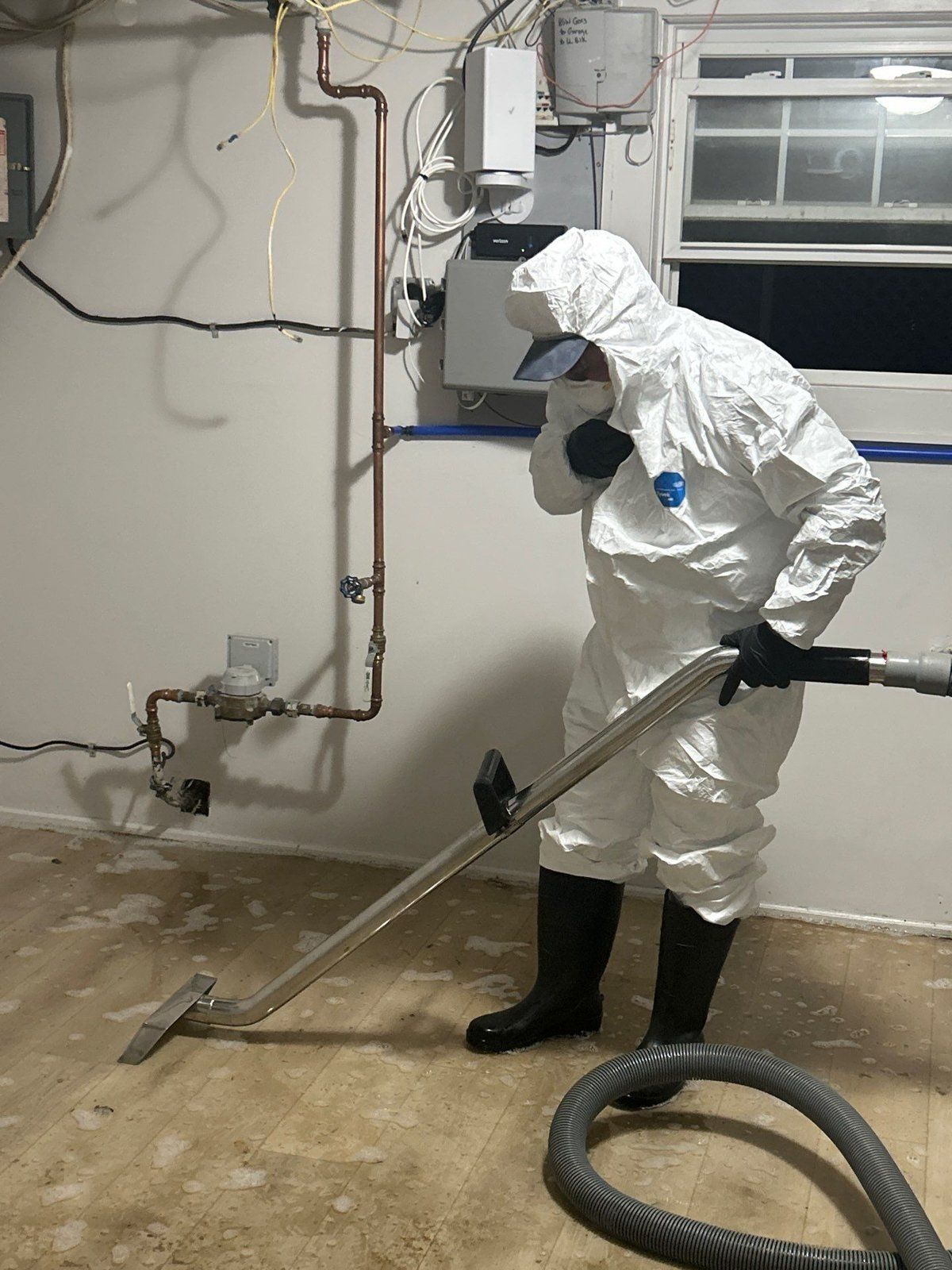
Technician in protective suit HEPA-vacuuming soot from a ceiling supply vent

The first cold mornings of October and November are when furnaces and oil burners that sat idle all summer start up again. Most of them run fine. Sometimes, though, a homeowner hears a dull thump from the basement and then finds fine black film on the ceilings, curtains and vents upstairs. That's a puff-back.

This guide covers what's happening, what to avoid in the first few hours, and how cleanup typically works for homes across Monmouth, Ocean and Middlesex counties, where plenty of older houses in Manalapan, Middletown, Jackson and Old Bridge still run oil heat.

What Actually Happens in a Puff-Back

A puff-back is a small, contained explosion inside the combustion chamber. In oil burners, it usually happens when fuel builds up and then ignites late. A clogged nozzle, a weak ignition transformer, a dirty filter or a blocked chimney or flue can all cause it. Gas furnaces can have delayed-ignition events too, though oil-heat homes see them far more often.

The pressure from that ignition pushes unburned fuel and soot out of the burner. From there it can:

  • Blow back into the basement or utility room
  • Get pulled into the return air and pushed through the ductwork
  • Settle in every room the system serves

Signs You've Had One

Some puff-backs are obvious; others show up over a day or two. Watch for:

  • A loud bang or "whoomp" when the heat kicks on
  • Black or gray film around supply registers and on the ceiling just above them
  • Dark "soot webs" in corners and along ceiling edges
  • A sharp oil or burnt smell that doesn't fade
  • Smudges on window blinds, lampshades and light-colored fabrics

First: Make the Heating System Safe

Before anything else, turn the system off and call your oil company or a licensed HVAC technician. A puff-back means something in the burner isn't working right, and running it again can cause another event. Have the burner, flue and chimney repaired before the heat comes back on, and ask for a written service report. It often matters for insurance.

What Not to Do

It's natural to want to grab a rag. Please don't, at least not yet.

  • Don't wipe or scrub the soot. Oily soot smears, and household cleaners push it into paint, grout and fabric. Paint won't bond to it either, so don't repaint over it.
  • Don't run the HVAC system. Even the fan alone moves soot from the ducts back into clean rooms.
  • Don't use a regular vacuum. It blows fine particles through the bag and back into the air.
  • Don't wash soot-covered clothes yourself. Oily soot can set in a home washer. Many textiles can be professionally cleaned when handled correctly.

How Professional Puff-Back Cleanup Works

Every home is different, but a thorough cleanup typically follows this order.

1. Assessment and containment

We walk every room, including closets and the basement, and photograph conditions before anything is touched. Plastic sheeting separates cleaned rooms from affected ones, and HEPA air scrubbers capture airborne particles.

2. Dry soot removal first

HEPA vacuums lift loose soot, then techs use dry chemical soot sponges on walls and ceilings. They pull soot off without smearing. This dry step is what keeps a cleanup from becoming a repaint.

3. Wet cleaning

Surfaces are then cleaned with degreasers matched to the material: painted drywall, cabinets, trim, glass and fixtures.

4. Duct cleaning

If soot traveled through the ductwork, the ducts need cleaning too. Otherwise the first heat cycle puts it all back.

5. Contents cleaning

Furniture, electronics, dishes, clothing and drapes may be cleaned on-site or packed out, inventoried and returned.

6. Odor treatment

Lingering oil odor can be treated with thermal fogging, hydroxyl or ozone (only when the home is unoccupied), and sealing where needed.

Does Insurance Cover Puff-Back Damage?

Homeowners insurance typically covers cleanup of the structure and contents after a puff-back, because it's usually treated as a sudden and accidental event. Coverage varies, so check your policy and talk to your agent or adjuster early.

A few things that typically help:

  • Report the claim promptly and keep photos of the soot before cleaning.
  • Keep the HVAC or oil company's service report.

MaxClean doesn't guarantee coverage, but we provide detailed photos and cleaning records your adjuster can use.

FAQ

Is puff-back soot dangerous?

It's an irritant, especially for kids, older adults and anyone with asthma. Limit time in heavily affected rooms until cleanup is done.

How long does cleanup take?

A small, contained puff-back may take a couple of days. A whole-house event with duct and contents cleaning can typically take one to two weeks.

How do I prevent another one?

Get the burner serviced every year before heating season, and replace filters and nozzles as recommended.

Puff-Back Help in Monmouth, Ocean and Middlesex Counties

If your furnace or oil burner just puffed back, shut it off, call your heating tech, and leave the soot alone. MaxClean Restoration cleans puff-back damage in homes across Central Jersey from our base in Freehold. Call 732-539-2942, and we'll walk you through the next steps. Learn more about our furnace puff-back cleanup service.
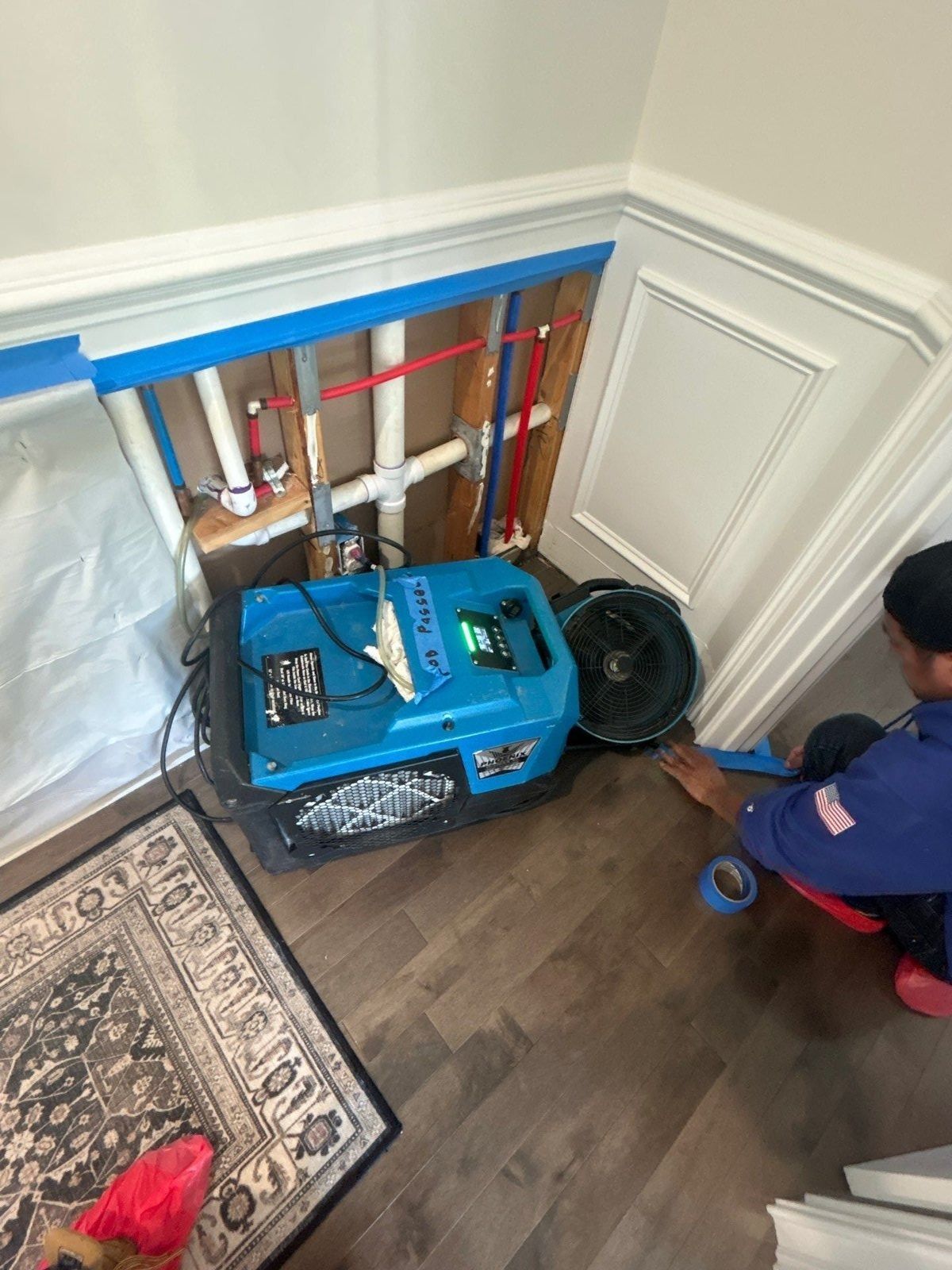
Technician setting up a dehumidifier and air mover by an opened wall with exposed water pipes
16 October 2026
Simple fall steps that keep pipes from freezing and bursting in Monmouth, Ocean and Middlesex county homes, plus what to do if one breaks.
Technician in protective suit working by the sump pump in a flooded New Jersey basement
13 October 2026
Keep your sump pump ready for winter storms and spring thaw. Central NJ homeowners: maintenance checklist, warning signs and flood steps.
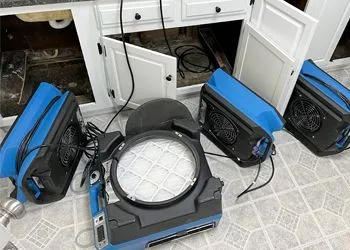
Dehumidifiers inside a cabinet with open doors, likely drying after water damage.
13 November 2025
Read the latest customer reviews for MaxClean Restoration, serving Freehold, NJ and Monmouth County with water, fire and mold damage restoration. Call 732-539-2942.
Water pooling on a concrete floor near a wooden frame, appearing dirty and damaged.
by MaxClean Restoration • 6 October 2025
Water damage in your home can occur from a variety of sources, including burst pipes, roof leaks, or flooding. While it might be tempting to delay restoration—especially if the damage seems minor—waiting too long can lead to serious and costly problems. Water can seep into hidden areas, weaken structural materials, and create conditions that invite mold and decay. Acting quickly after water damage is essential to protect your home, your health, and your wallet. At MaxClean Restoration, we provide expert water damage restoration in the greater Freehold, NJ area. Here are five ways that delaying water damage restoration can cause long-term consequences. Structural Damage Worsens Over Time When water penetrates your home’s walls, floors, or foundation, it can weaken the structural integrity of the building. Materials like wood, drywall, and insulation absorb moisture and begin to deteriorate. Over time, beams can rot, drywall can crumble, and foundations may even crack. Mold and Mildew Growth Becomes Uncontrollable Moisture is the perfect breeding ground for mold and mildew, which can begin to grow within just 24 to 48 hours after water exposure. Once mold takes hold, it can spread quickly into other areas of your home. Mold remediation can be costly and time-consuming, and prolonged exposure can pose health risks, especially for those with allergies or respiratory conditions. Electrical Hazards Increase Water and electricity are a dangerous combination. When water seeps into electrical outlets, wiring, or appliances, it can create major hazards. If restoration is delayed, these hazards may go unnoticed until a serious problem occurs. Property Value Declines Unresolved water damage leaves visible stains, odors, and structural issues that can dramatically lower your home’s resale value. Even if you eventually repair the damage, lingering signs such as warped flooring or mold stains can deter potential buyers. Timely restoration helps ensure that your home remains in good condition, preserving its market value. Higher Repair Costs in the Long Run The longer water damage is left unaddressed, the more extensive the repairs will become. What might have been a relatively simple job can turn into full-scale reconstruction involving drywall replacement, flooring removal, and mold remediation. Immediate restoration helps contain the damage and keeps repair costs more manageable. Water Damage Restoration in Freehold, NJ For expert water damage restoration in Freehold, NJ and the surrounding area, contact MaxClean Restoration at  732-539-2942  . Feel free to give us a call to ask for an estimate for water or fire damage restoration in greater Freehold!
Kitchen with cabinets and window, draped in plastic. A yellow air mover and tangled cords are present.
by MaxClean Restoration • 14 September 2025
When a fire occurs in a home or business, the flames are only part of the destruction. Smoke damage lingers long after the fire is out, seeping into walls, furniture, and even the air you breathe. While it may seem manageable to clean up on your own, smoke damage restoration is a complex task that requires professional attention. Acting quickly is essential to protect your property, your health, and your finances. At MaxClean Restoration, we provide expert smoke damage restoration in the greater Freehold, NJ area. Here are four reasons why smoke damage should always be restored immediately by trained professionals. Smoke Odor Becomes Harder to Remove Over Time The longer smoke particles remain embedded in porous materials like wood, drywall, and upholstery, the more difficult it becomes to eliminate the odor. What starts as a lingering smell can become a permanent issue if not addressed right away. Professional restoration teams use advanced cleaning methods and equipment to completely neutralize odors before they become locked in. Eliminate Health Risks from Toxic Residue Smoke contains a mixture of toxic chemicals and microscopic particles that can harm your respiratory system. Prolonged exposure can trigger asthma, allergies, and other health complications. People with pre-existing conditions are especially vulnerable. Immediate professional restoration ensures that harmful residues are thoroughly removed, creating a safer living environment for everyone in your home. Prevent Permanent Structural Damage Soot and smoke residues are acidic, meaning they can gradually break down materials in your home if left untreated. Walls, ceilings, and flooring may discolor, while metals can corrode and weaken. Electronics exposed to smoke damage are also at risk of failure. By taking quick action, professionals can prevent long-term structural damage and save items that might otherwise be lost. Improve Air Quality Even if visible smoke damage is cleaned up, particles can remain in the air and HVAC system, continuously circulating throughout the property. This hidden contamination can cause ongoing health problems and unpleasant odors. Restoration specialists use deep-cleaning techniques to restore healthy indoor air quality, helping to ensure that your home is truly safe to live in again. Smoke Damage Restoration in Freehold, NJ For top-quality fire damage restoration in Freehold, NJ and the surrounding area, contact MaxClean Restoration at  732-539-2942  . Our team has the tools and experience necessary to expertly handle your property’s fire damage!
Show More