

Flooded Basement or Sump Pump Failure: What to Do
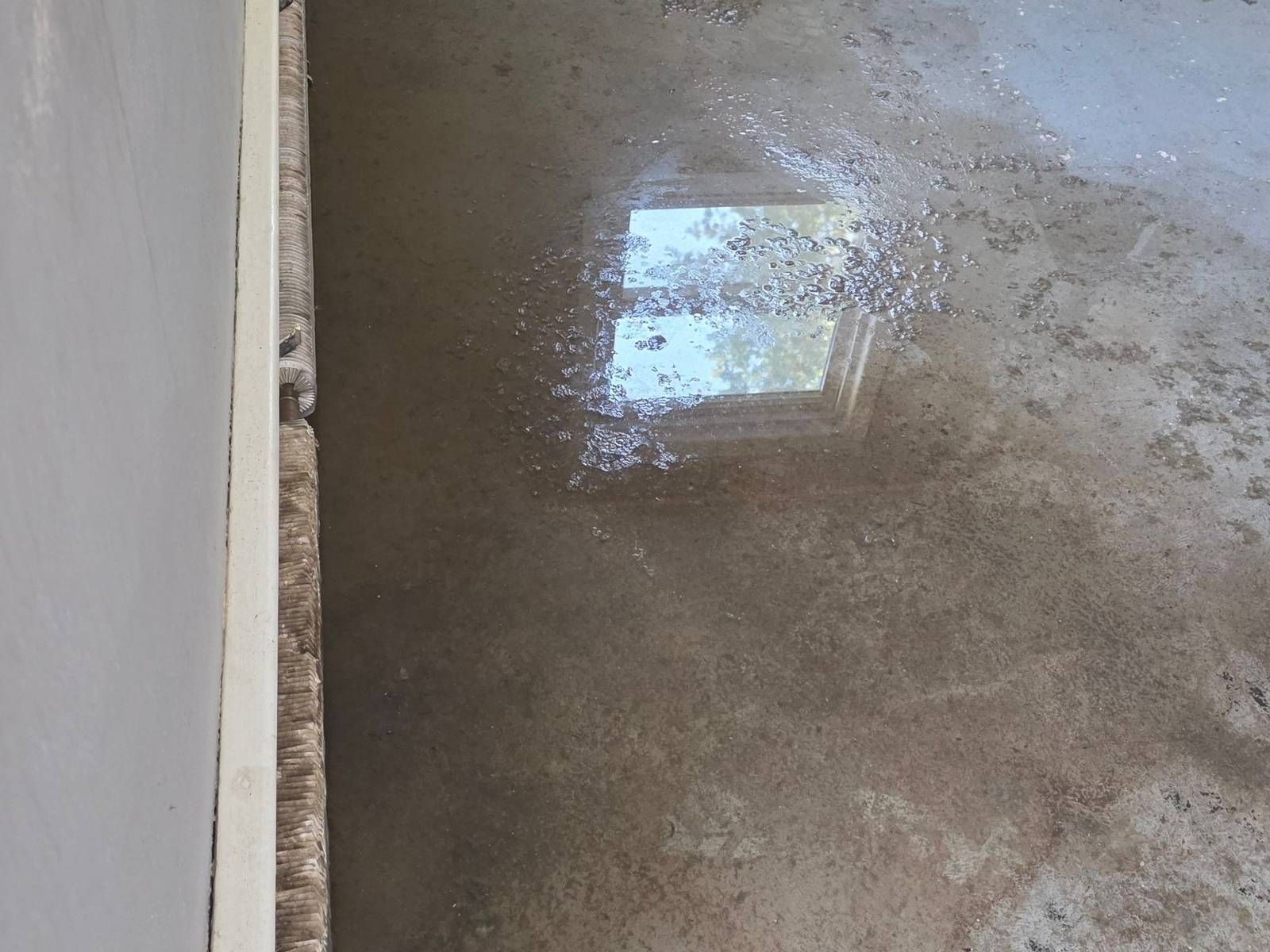
Heavy rain, a power outage or a worn-out sump pump can flood a basement in a few hours. Here's how to stay safe, limit the damage and get the space dry.
Need help right now? Call MaxClean Restoration at 732-539-2942 Open 24/7 in Monmouth, Ocean and Middlesex counties. We're usually on site in about an hour near Freehold, and in about 2 hours in Lacey, Stafford, Barnegat and Little Egg Harbor.
Step by step: what to do right now
- Stay safe first. If water is near outlets, the electric panel, the furnace or the water heater, don't go down there. Call your utility or an electrician to cut the power.
- Find out why it's flooding. Check whether the sump pump is running, whether the power is out, and whether the float is stuck or the discharge line is frozen or clogged.
- Restore the pump if it's safe. Plug it back in, reset the GFCI outlet or free the float switch. If you have a battery backup or a water-powered backup, make sure it's running.
- Take photos and video of the water level and everything it touched.
- Move belongings up and out, starting with electronics, papers, photos and anything that soaks up water.
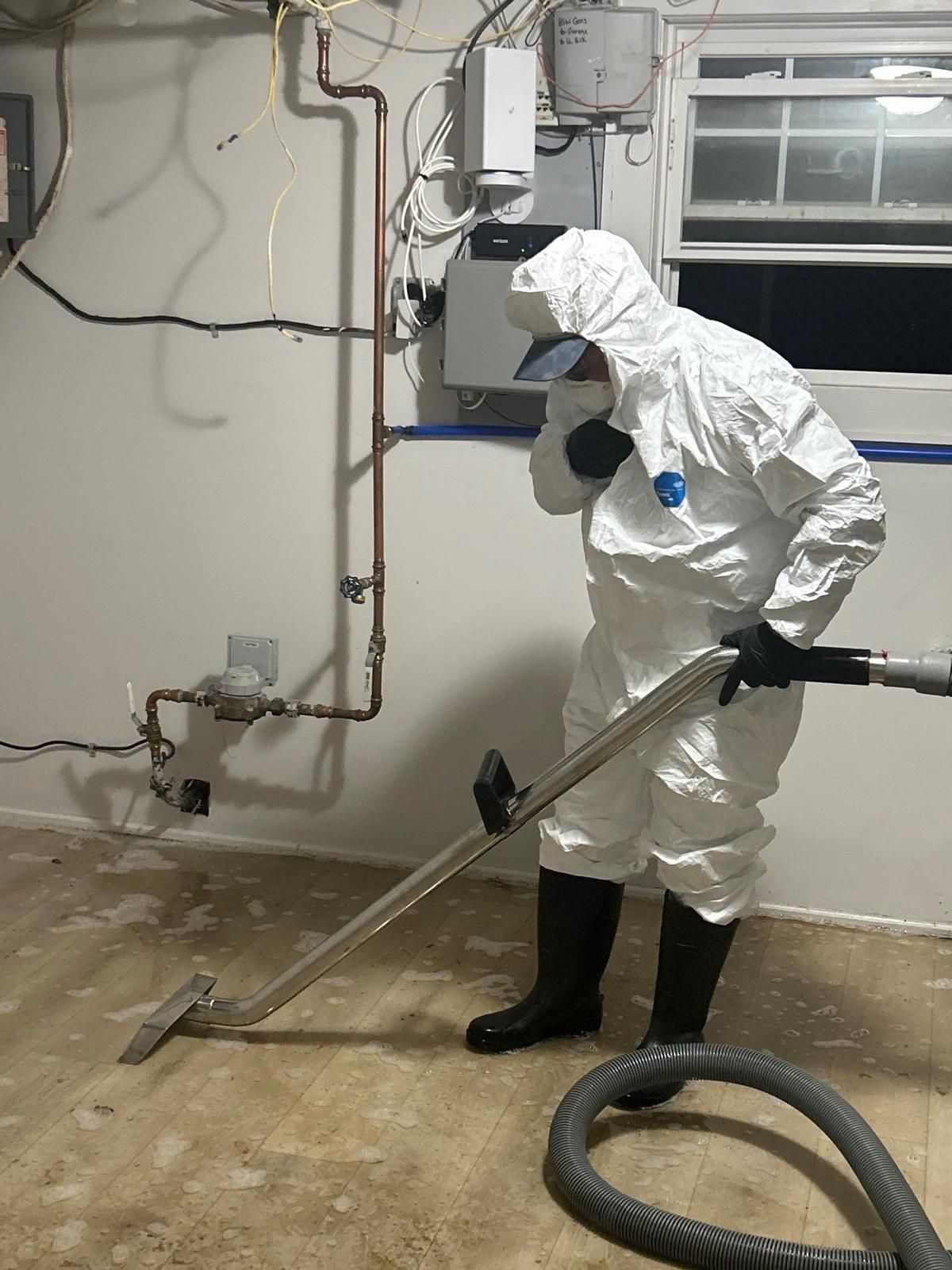
- Pump or vacuum out standing water only after the power is off in the area. For more than an inch or two, call a professional with truck-mounted extraction.
- Call a water damage restoration company. MaxClean is open 24/7 and usually on site in about an hour near Freehold (about 2 hours in Lacey, Stafford, Barnegat and Little Egg Harbor): 732-539-2942.
- Report it to your insurance company. Check your policy or ask your agent about what's covered.
What NOT to do
- Don't walk into standing water if the power is still on in the basement.
- Don't run gas-powered pumps or generators indoors or in an attached garage (carbon monoxide).
- Don't pump out a deeply flooded basement too fast after a major flood. Outside pressure can crack the walls. Let a professional judge it.
- Don't touch floodwater with bare hands. Groundwater and backups can carry bacteria.
- Don't leave wet carpet, boxes or drywall to "air dry."
When to call a professional
- More than an inch of water, or water that reached drywall, carpet or stored items.
- The water came from a sewer or floor drain backup (it's contaminated, Category 3).
- The furnace, water heater or electric panel got wet.
- You have a musty smell or see mold days later.
- Your sump pump keeps failing and you need it documented for insurance.
Working with your insurance
We send the invoice to your insurance carrier on your behalf, but the invoice is still the homeowner's responsibility. That includes your deductible and anything your carrier doesn't pay.
In New Jersey, homeowners usually have the right to choose their own restoration contractor. We specialize in working with both homeowners and insurance companies to make sure the work is properly documented for your claim, so your home gets back to its pre-loss condition.
Learn more on our insurance claims page or our water and flood damage page.
Printable checklist
Flooded Basement or Sump Pump Failure: What to Do: Checklist
- ☐ Power to the basement off (only if safe)
- ☐ Sump pump checked: power, GFCI, float, discharge line
- ☐ Backup pump running
- ☐ Photos and video taken
- ☐ Belongings moved up and out
- ☐ Standing water removed safely
- ☐ Restoration company called
- ☐ Insurance notified and claim number written down
- ☐ MaxClean Restoration 24/7: 732-539-2942
Frequently asked questions
Does insurance cover a flooded basement? Coverage depends on your policy, so check your policy or ask your agent. We send the invoice to your insurance carrier on your behalf, but the invoice is still the homeowner's responsibility. That includes your deductible and anything your carrier doesn't pay.
How long does it take to dry a basement? Most basements take 3 to 5 days with professional dehumidifiers and air movers, depending on the materials and how long they were wet. We check moisture readings every day until it's dry to industry standards.
How often should I test my sump pump? Test it every 3 months and before storm season. Pour a bucket of water into the pit and make sure the pump turns on and drains it. Replace pumps that are 7 to 10 years old. Our free emergency plan app can remind you.
Is basement floodwater dangerous? It can be. Water from a sewer backup or outside flooding is considered contaminated and needs professional cleanup and disinfection. Keep kids and pets away.
Can I choose my own restoration company? In New Jersey, homeowners usually have the right to choose their own restoration contractor. We specialize in working with both homeowners and insurance companies to make sure the work is properly documented for your claim, so your home gets back to its pre-loss condition.
Get ready before it happens: build a free emergency plan for your home (shutoff locations, emergency contacts, maintenance reminders) at plan.maxcleanrestoration.com.
Need help right now? Call MaxClean Restoration at 732-539-2942 Open 24/7 in Monmouth, Ocean and Middlesex counties. We're usually on site in about an hour near Freehold, and in about 2 hours in Lacey, Stafford, Barnegat and Little Egg Harbor.
Related: water and flood damage · All Resource Center guides · Insurance claim help · Free home emergency plan
MaxClean Restoration, 11 Bannard Street, Freehold, NJ · IICRC Certified Firm · NJ HIC #13VH12188600 Open 24/7 across Monmouth, Ocean and Middlesex counties. Usually on site in about an hour near Freehold, and in about 2 hours in Lacey, Stafford, Barnegat and Little Egg Harbor.